 Ghatkoar (East), Mumbai)



Table Of Content
- Our Approach
- How a Heart Attack Happens?
- Recognizing Symptoms
- The Critical "Golden Hour"
- Diagnosis and Medical Intervention
- Life After a Heart Attack
- Conclusion
Care At Shree Hospitals
Cardiac Sciences
Neuro Sciences
Orthopaedics
Gynaecology
Oncology

For Appointment/Query

Search or
Find Specialist
Care At Shree Hospitals
No Results Found
The page you requested could not be found. Try refining your search, or use the navigation above to locate the post.
Understanding the Silent Crisis: A Comprehensive Guide to Heart Attacks
The human heart, a muscular pump about the size of a fist, beats around 100,000 times daily, circulating blood through vessels. It relies on coronary arteries for fuel, and when these are blocked, it causes a heart attack (Myocardial Infarction).
This emergency occurs when oxygen-rich blood to part of the heart is cut off, causing tissue death within minutes. Knowing its causes and signs is crucial since heart disease is a leading cause of death.
Reviewed By: Dr Jay Mehta, DNB, Robotic Gynaecology Surgeon with 15+ Years of Experience
Condition:
Heart Attack
Treatment:
CABG
How a Heart Attack Happens? The Biological Mechanics
To understand a heart attack, one must understand Atherosclerosis. This is a slow, progressive process where plaque—a sticky substance made of cholesterol, fat, and cellular waste—builds up on the inner walls of the coronary arteries. Over time, this buildup causes the arteries to narrow and harden (a condition known as "hardening of the arteries")
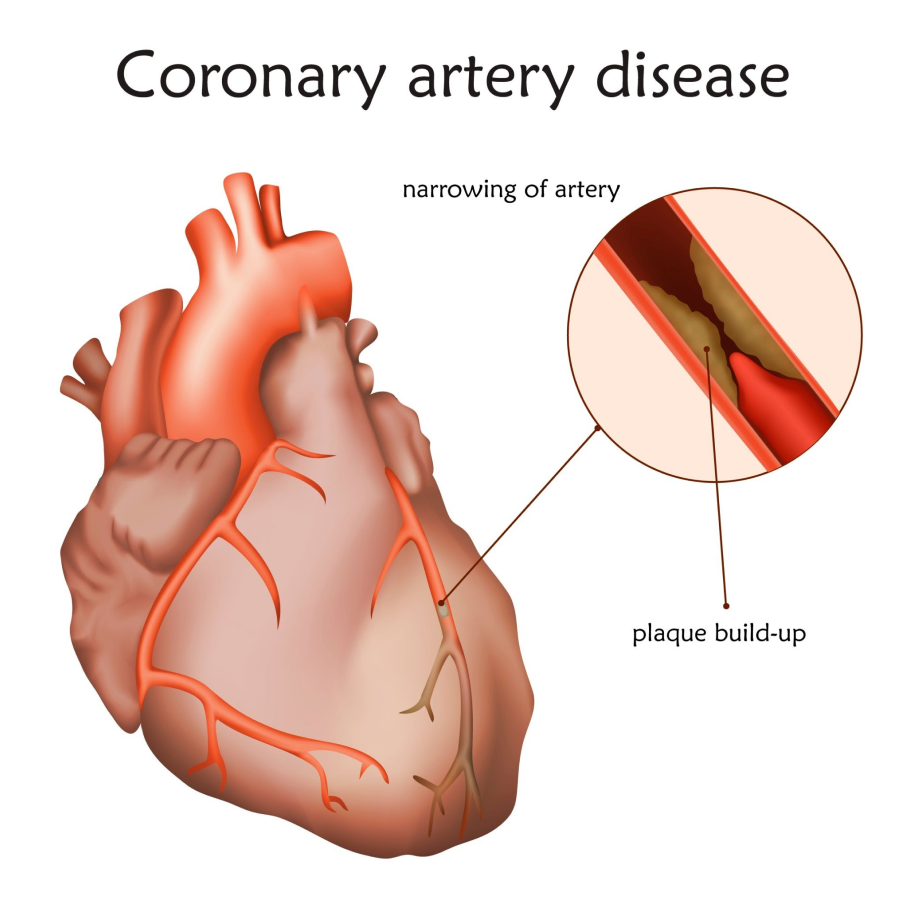
A heart attack typically occurs through one of two primary mechanisms:
Plaque Rupture and Thrombus Formation
Most heart attacks are caused by a sudden rupture of an existing plaque. When the plaque's outer shell tears, the body treats it like an injury and rushes platelets to the site to form a clot (thrombus). If this clot is large enough, it completely blocks the artery, instantly depriving the downstream heart muscle of blood.
Coronary Artery Spasm
Less commonly, a heart attack can occur without significant plaque. A severe spasm (contraction) of a coronary artery can temporarily shut down blood flow. These spasms can be triggered by extreme emotional stress, certain medications, or illicit stimulants like cocaine.
Quick Facts Related To Topic
Time is Muscle
Heart muscle begins to die within 20 minutes of a blockage. Receiving treatment within the first "Golden Hour" reduces long-term heart failure risk by 50%.
Atypical Symptoms
Women and diabetic patients often don't feel "crushing" chest pain; instead, they experience jaw pain, extreme fatigue, or nausea.
Troponin Verification
A heart attack is confirmed via high-sensitivity Troponin blood tests, which detect microscopic proteins leaked only when heart tissue is damaged.
Secondary Prevention
Following a medically supervised Cardiac Rehab program and strict medication adherence can cut the risk of a second heart attack in half.
Get Immediate Heart Care
(24×7 Emergency Care)
Recognizing the Spectrum of Symptoms
The "Hollywood Heart Attack"—where a person clutches their chest and collapses—is only one way the condition manifests. In reality, symptoms can be subtle, gradual, or entirely different between genders.
Typical Symptoms:
- Chest Discomfort: Often described aspressure, squeezing, fullness, or "an elephant sitting on the chest." It usually lasts more than a few minutes or goes away and returns.
- Radiating Pain: Discomfort that spreads to the left arm (most common), neck, jaw, back, or stomach.
- Shortness of Breath: This may occur with or without chest pain.
- Cold Sweats and Nausea: A sudden onset of "clamminess" accompanied by lightheadedness.
Gender Differences and "Silent" Attacks:
Women are more likely than men to experience atypical symptoms, such as extreme fatigue, indigestion, or pain localized strictly in the jaw or back. Furthermore, "Silent Myocardial Infarctions" occur without any noticeable symptoms, often only discovered later during an electrocardiogram (ECG) for another issue.
Experiencing Chest Pain? Get Immediate Heart Care
(24×7 Emergency Care)
The Critical "Golden Hour
In cardiology, the mantra is "Time is Muscle." The damage to the heart muscle is progressive.
- The First 20–40 Minutes: The heart muscle can survive for a short window, but reversible damage begins almost immediately.
- The 2-Hour Mark: Significant portions of the heart muscle may suffer permanent death (necrosis) if the artery is not reopened.
- The Golden Hour: Seeking treatment within the first 60 minutes of symptom onset drastically increases the chances of survival and reduces the likelihood of long-term heart failure.
Risk Factors: The Controllable and the Fixed
A heart attack is rarely a random event; it is usually the culmination of specific risk factors.
Modifiable Risk Factors (Factors You Can Change):
- Smoking: Tobacco smoke chemicals damage blood cells and the heart's structure.
- High Blood Pressure (Hypertension): Persistent pressure wears down artery walls, making them prone to plaque buildup.
- High Cholesterol: High levels of LDL ("bad") cholesterol are the primary building blocks of plaque.
- Sedentary Lifestyle: Lack of exercise contributes to obesity and poor vascular health.
- Diabetes: High blood sugar levels damage the nerves and blood vessels that control the heart.
Non-Modifiable Risk Factors:
- Age: The risk increases for men over 45 and women over 55.
- Family History: Genetics play a role in how your body processes cholesterol and manages blood pressure.
- Ethnicity: Certain populations have a higher genetic predisposition to cardiovascular issues.
Diagnosis and Medical Intervention
When a patient arrives at the hospital with a suspected heart attack, doctors act with high-velocity precision.
Diagnostic Tools:
- Electrocardiogram (ECG/EKG): Records the heart's electrical activity. Specific patterns can reveal if a heart attack is in progress and which part of the heart is affected.
- Blood Tests (Troponin): When heart muscle is damaged, it leaks specific proteins called troponins into the bloodstream. High levels are a definitive marker of a heart attack.
- Coronary Angiogram: A catheter is inserted into an artery (usually in the wrist or groin) and guided to the heart. Dye is injected, and X-rays show exactly where the blockage is located.
Treatment Strategies:
- Thrombolytics: "Clot-busting" drugs used to dissolve the blockage if specialized surgical facilities are not immediately available.
- Percutaneous Coronary Intervention (PCI): Also known as angioplasty. A tiny balloon is inflated to push the plaque back against the artery wall, followed by the insertion of a stent (a wire mesh tube) to keep the artery open.
- Coronary Artery Bypass Grafting (CABG): In severe cases with multiple blockages, surgeons take a healthy blood vessel from another part of the body to "bypass" the blocked coronary artery.
15+ Best Heart Specialists in Mumbai, Now at Shree Hospitals
Every Surgeon & Specialist at Shree Hospitals is board-certified and has an average of 15+ years of clinical experience.

15+ years of experience
Dr Jay Mehta, DNB
4,000+ Endometriosis
Cases Every Year
15+ years of experience
Dr Jay Mehta, DNB
4,000+ Endometriosis
Cases Every Year
15+ years of experience
Dr Jay Mehta, DNB
4,000+ Endometriosis
Cases Every Year
15+ years of experience
Dr Jay Mehta, DNB
4,000+ Endometriosis
Cases Every Year
15+ years of experience
Dr Jay Mehta, DNB
4,000+ Endometriosis
Cases Every Year
Life After a Heart Attack: Recovery and Prevention
A heart attack is a traumatic event for the body and mind, but it is not a dead end. Modern medicine allows for full, active lives post-infarction.
Cardiac Rehabilitation
A medically supervised program that includes exercise training, education on heart-healthy living, and counseling to reduce stress and depression—common after-effects of a cardiac event.
Long-term Medication
- Survivors are typically prescribed a regimen of:
- Antiplatelets (like Aspirin): To prevent future clots.
- Statins: To lower cholesterol and stabilize existing plaques.
- Beta-blockers: To reduce the heart's workload and lower blood pressure.
Lifestyle Overhaul
The most effective "medicine" is a diet rich in whole grains, lean proteins, and vegetables, combined with a total cessation of smoking and a commitment to daily physical activity
Conclusion
A heart attack is a formidable medical challenge, yet it is largely a preventable one. By understanding the biological underpinnings of arterial health, recognizing the diverse symptoms of distress, and acting with absolute urgency when an event occurs, we can significantly shift the odds in favor of survival. The heart is resilient, but it requires our proactive care to continue its lifelong beat.
